Creating a Space That Inspires Young Musicians to Practice Their Instrument at Home
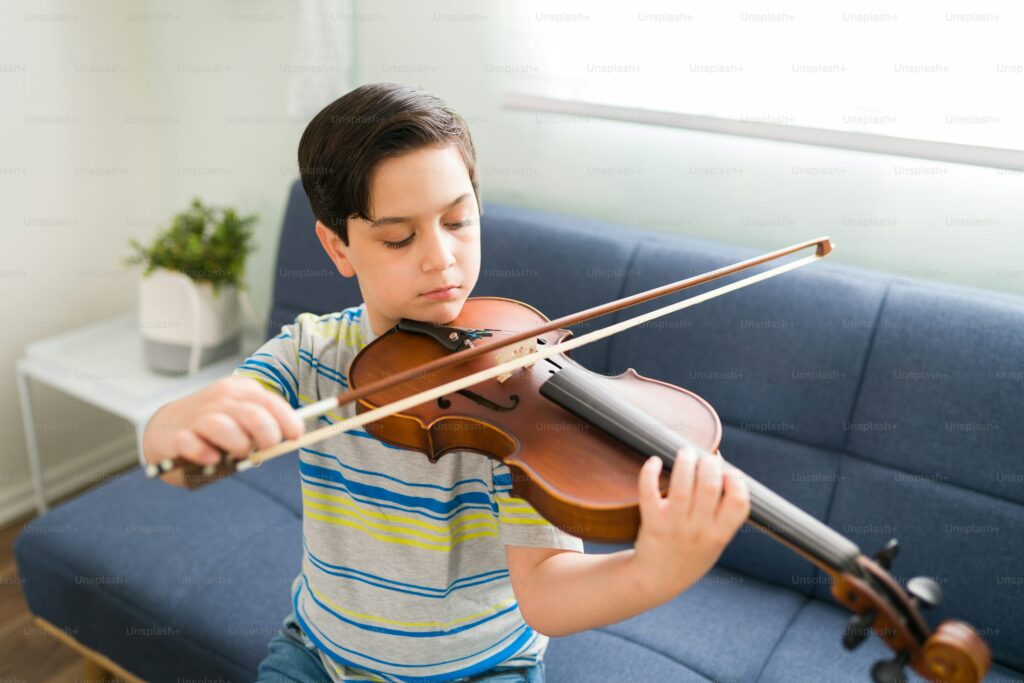
One of the most effective ways to support your child’s musical journey is by creating a space at home that encourages regular, focused practice. A thoughtfully designed environment can make practice feel less like a chore and more like a natural, enjoyable part of daily life. Whether your child is just starting lessons or preparing for advanced recitals, their surroundings play a big role in motivation and consistency. Click to read through some of Learning Allegro’s helpful tips for how to help your child practice their instrument more regularly at home:
1. Choose the Right Location
Pick a spot in your home that balances comfort and focus. The space should be free from major distractions like televisions or heavy foot traffic, but not so isolated that your child feels disconnected. A cozy corner in the living room or a quiet bedroom nook can work beautifully. The key is making the space feel special and dedicated to music, someplace your child associates with creativity and progress.
2. Prioritize Comfort and Accessibility
Make sure everything your child needs is within easy reach: their instrument, music stand, books, pencils for marking notes, and a comfortable chair or bench. Good lighting is essential! Natural light is ideal during the day, but a soft, focused lamp works well for evening practice. For instruments like pianos or drum kits, consider temperature and humidity control to protect your investment and ensure the instrument stays in good condition.
3. Encourage a Positive Atmosphere
Decorate the space with items that inspire musical growth: posters of favorite musicians, photos from performances, or a simple practice chart to track progress. Celebrate achievements by displaying certificates or recital programs. These visual cues help build a sense of pride and motivation.
4. Support Routine and Focus
Help your child establish a consistent practice schedule and make it part of the family routine. Having a dedicated space reinforces the idea that practice time is important and valued. Keep the area tidy and free of clutter is key: an organized environment promotes calmness and concentration.
5. Make It Their Own
Let your child have input in designing their practice area. When students feel ownership of their space, they’re more likely to spend time there. Even small choices, like picking a music-themed lamp, a favorite color for the walls, or a fun rug, can make the space more inviting and personal.
Creating a welcoming, inspiring space doesn’t require a lot of money or extra room, just intention and consistency. By nurturing both the physical and emotional environment for practice, parents help children build the habits and joy that lead to lifelong musicianship.